


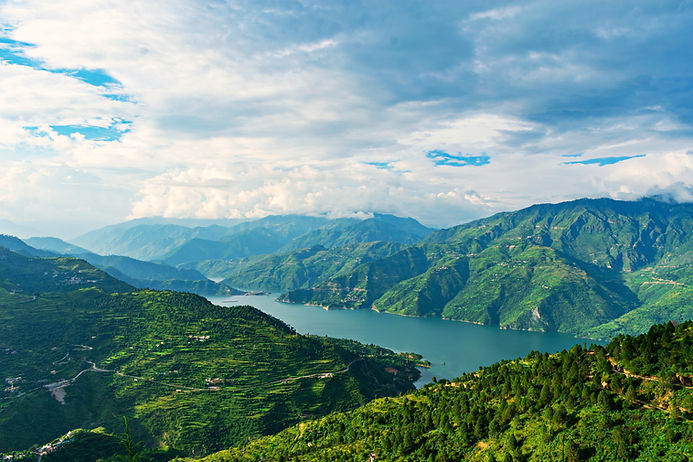
Welcome to Uttarakhand – The Heart of Himalayan Serenity and Spirituality
Uttarakhand is not just a destination; it’s a gateway to nature’s marvels, spiritual discovery, and cultural richness. From its awe-inspiring Himalayan landscapes to its deep-rooted heritage, Uttarakhand offers an experience like no other. Discover its essence through its captivating history, geography, diverse cultures, and more.
Etymology
The name Uttarakhand comes from the Sanskrit words "Uttara" (meaning north) and "Khand" (meaning land or section). This literally means the "northern land," referring to its location in the northern part of India. Historically, the region was known as Kedarkhand and Manaskhand in ancient scriptures. The state was part of the larger kingdom of Uttarakuru, a region believed to be the abode of deities and sages. In the modern era, when Uttarakhand was separated from Uttar Pradesh in 2000, it was initially called Uttaranchal. However, in 2007, it was renamed Uttarakhand to better reflect its historical and cultural significance. Known as the Land of Gods due to its many sacred shrines, the name evokes the spiritual essence of the region, drawing pilgrims and tourists alike to its holy sites and serene landscapes.
History
Uttarakhand’s history is as diverse as its terrain. The region finds mention in ancient Hindu texts such as the Vedas and Mahabharata, where it’s depicted as a land of sages and gods. From the Katyuri dynasty in the 7th century to the Chand dynasty in Kumaon and the Garhwal Kingdom, different powers ruled the region until it was annexed by the British in 1815. The British Raj introduced tea plantations and opened the doors for tourism, particularly in hill stations like Mussoorie and Nainital. After independence, the region remained a part of Uttar Pradesh until 2000 when Uttarakhand was formed as a separate state. The region has a rich legacy of religious, cultural, and revolutionary movements, including active participation in India’s struggle for freedom. Today, Uttarakhand is a symbol of peace and spirituality with its profound historical roots.
Geography
Uttarakhand’s geography is a harmonious blend of towering Himalayan peaks, rolling valleys, and sacred rivers. Spanning across 53,000 square kilometers, it boasts some of the most iconic landscapes in India. The state's northern part is characterized by the Greater Himalayas, including peaks like Nanda Devi and Kamet, while the southern regions feature fertile plains. The state is also crisscrossed by the holy rivers Ganga and Yamuna, which originate from the glaciers in the Himalayas. Uttarakhand is divided into two regions: Garhwal and Kumaon, each with distinct geographical features and cultural identities. The state shares borders with Tibet to the north and Nepal to the east, further enriching its cultural exchange. With a wide range of altitudes—from tropical forests to alpine heights—Uttarakhand’s geography creates a dynamic environment for adventure tourism and spiritual retreats alike.
Climate
Uttarakhand’s climate varies significantly based on altitude. The lower foothills and plains experience a subtropical climate, with hot summers and cool winters. As you ascend to higher altitudes, the climate becomes temperate, with cool summers and chilly winters. In the Himalayan regions, summers are mild, while winters are characterized by heavy snowfall, making places like Auli popular destinations for skiing. The monsoon season, from July to September, brings heavy rainfall, especially in the Kumaon region, causing rivers to swell and turning the hills lush green. Spring and autumn are the best times to visit for pleasant weather, as temperatures range between 15°C to 25°C. Overall, the diversity in climate makes Uttarakhand a year-round destination, offering everything from snow-capped adventures in winter to verdant beauty during the monsoon.
Flora and Fauna
Uttarakhand is home to an extraordinary range of flora and fauna, nurtured by its diverse climates and altitudes. The state's forests cover nearly 65% of its area, offering a mix of pine, oak, rhododendron, and deodar trees. In the alpine regions, you can find rare species of flora like Brahma Kamal, the state flower. Uttarakhand’s rich biodiversity is protected within national parks like Jim Corbett National Park, India’s oldest, which is home to tigers, elephants, and a variety of bird species. Other parks include the Valley of Flowers, renowned for its stunning blooms during the summer months. Wildlife such as the snow leopard, Himalayan black bear, and musk deer can be spotted in the higher elevations. The state’s flora and fauna make it a haven for nature lovers, wildlife enthusiasts, and photographers.
Demographics
With a population exceeding 10 million, Uttarakhand is a diverse yet close-knit state where the majority of residents live in rural areas. The state’s population density is relatively low due to its mountainous terrain, which is dotted with small villages. The urban population is concentrated in cities like Dehradun, Haridwar, and Nainital. The people of Uttarakhand primarily belong to two major ethnic groups Garhwali in the west and Kumaoni in the east each with their own dialects and cultural practices. Over 80% of the population practices Hinduism, with minorities following Islam, Christianity, Sikhism, and Buddhism. The demographic structure is shaped by migration, with many from the region seeking employment in other parts of India. However, the local economy remains closely tied to agriculture and tourism, sustaining the demographic pattern of rural settlements and urban migration.
Languages
The official language of Uttarakhand is Hindi, but a variety of languages reflect the region's cultural diversity. Garhwali and Kumaoni are the two most commonly spoken regional languages, deeply tied to the cultural identities of the Garhwal and Kumaon regions, respectively. Both languages belong to the Central Pahari family and are rich in folklore and oral traditions. Jaunsari, Bhotiya, and Raji are spoken by smaller tribal communities residing in different parts of the state. English is widely spoken, particularly in urban areas and among the younger generation, due to the state’s focus on education and tourism. The linguistic diversity of Uttarakhand is a testament to its unique cultural heritage, offering a blend of traditional and modern influences.
Religion
Religion forms the backbone of Uttarakhand's identity. With its title as the Land of Gods or Devbhumi, it is a major center for Hindu pilgrimage. Hinduism dominates the religious landscape, and the state is home to the revered Char Dham—Badrinath, Kedarnath, Gangotri, and Yamunotri—drawing millions of pilgrims annually. Haridwar and Rishikesh, located on the banks of the Ganges, are key religious hubs, with Haridwar being the site for the grand Kumbh Mela. Sikhism also has significant importance with the Hemkund Sahib Gurudwara attracting Sikh pilgrims. Other religions, including Islam, Christianity, and Buddhism, coexist peacefully, adding to the state's spiritual fabric. The pervasive religious sentiment not only influences daily life but also underscores the state's cultural festivals, customs, and values.
Culture
Uttarakhand's culture is an amalgamation of Garhwali and Kumaoni traditions, marked by simplicity and deep respect for nature. The state's rural roots are reflected in its lifestyle, with festivals, music, and dance playing an integral role in everyday life. The traditional attire of women includes sarees and ghaghras, while men often wear dhotis and kurtas. Folk art thrives in the region, with woodcraft, stone carving, and woolen weaving being particularly prominent. Social customs, rituals, and folklore are passed down through generations, keeping alive the rich heritage of the state. Temples and ashrams are scattered across the region, reflecting the religious devotion of the people. Hospitality is a core value, and visitors are welcomed with open arms, further enriching Uttarakhand’s reputation as a peaceful and spiritual land.
Cuisine
The cuisine of Uttarakhand is as varied as its terrain, relying on locally grown grains and pulses. Mandua roti (made from finger millet) and bhaat (rice) form staple foods, usually paired with hearty vegetables and tangy chutneys like bhaang ki chutney. The food is simple, nutritious, and often seasonal, reflecting the agrarian lifestyle of the region. Specialties like kafuli, a spinach-based dish, and aaloo ke gutke, a spicy potato preparation, are popular across the state. Desserts include jhangora ki kheer, made from millet, and singodi, a sweet wrapped in leaf. Due to the state's predominantly Hindu population, the cuisine is largely vegetarian, although some communities do prepare meat dishes, especially during festivals or special occasions. Traditional Uttarakhandi food reflects its people's close connection with nature and their reliance on locally available ingredients.
Dances and Music
Music and dance are an intrinsic part of Uttarakhand's cultural identity. The traditional music of the region is largely influenced by nature and the experiences of daily life, with songs revolving around harvest, festivals, and the changing seasons. Instruments like the dhol, damau, and turri accompany these folk songs. Popular forms of traditional dances include Langvir Nritya, a dance form performed exclusively by men in the Garhwal region, and Chholiya, a Kumaoni martial dance that is performed at weddings and during religious processions. Other well-known dance forms include Jhora, Thadya, and Pandav Nritya, all of which are performed during festivals and special occasions. These cultural expressions reflect the joy and unity of the people, often transforming festivals and gatherings into vibrant displays of heritage.
Fairs and Festivals
Uttarakhand is a land of festivals, with nearly every village and town celebrating local and religious events with great enthusiasm. Some of the most prominent fairs and festivals include the Kumbh Mela, held in Haridwar every twelve years, which is one of the largest religious gatherings in the world. Other festivals like Makar Sankranti, Basant Panchami, and Harela are linked to the agricultural calendar, celebrating the harvest and the onset of different seasons. Nanda Devi Mela, held in Nainital, and the Ganga Dussehra festival in Rishikesh are among the many other events that reflect the deep spiritual and cultural roots of the region. Festivals in Uttarakhand are not only occasions for religious devotion but also moments of joy, where traditional music, dance, and feasting bring communities together.
Economy
Uttarakhand’s economy is primarily driven by agriculture, with rice, wheat, and millets being the main crops. The state's mountainous terrain supports horticulture as well, with fruits like apples, plums, and peaches grown in abundance. In recent years, tourism has become a major contributor to the economy, thanks to the influx of pilgrims, adventure seekers, and nature lovers. The state is also rich in natural resources, with hydropower being a significant industry. The pharmaceutical and biotechnology sectors are emerging industries, with several large companies setting up operations in the state’s industrial zones. Handicrafts, especially woolen textiles and wood carvings, play a role in the local economy, offering unique products to tourists. Uttarakhand’s economy continues to evolve, with a growing focus on eco-tourism, organic farming, and sustainable development.
Transportation
Despite its challenging terrain, Uttarakhand is well-connected to the rest of India through a network of roads, railways, and airports. The state has two main airports: Jolly Grant Airport in Dehradun and Pantnagar Airport. The rail network links cities like Dehradun, Haridwar, and Kathgodam to major urban centers in India. Extensive bus services, along with shared taxis and private car rentals, ensure that even remote villages are accessible. During the summer months, chartered helicopter services are available for pilgrims visiting Char Dham shrines. However, road transportation remains the primary mode of travel, and the state government is continuously upgrading infrastructure to make tourism and trade easier. Whether you're visiting for pilgrimage, adventure, or leisure, Uttarakhand offers a variety of transportation options to suit your needs.
Tourism
Tourism is the lifeblood of Uttarakhand’s economy, drawing visitors from around the globe to its pristine landscapes and spiritual havens. The state offers something for everyone: adventure enthusiasts can enjoy trekking, skiing, and river rafting, while those seeking peace can find it in the tranquil ashrams of Rishikesh or the holy temples of Kedarnath and Badrinath. Hill stations like Mussoorie, Nainital, and Auli attract families and honeymooners, while wildlife enthusiasts can explore Jim Corbett National Park or the Valley of Flowers. The Char Dham Yatra remains the most popular pilgrimage route, drawing millions of Hindu devotees every year. Eco-tourism is also gaining traction, with initiatives that promote responsible travel to remote villages and pristine forests.
Education
Uttarakhand has made great strides in education, offering a mix of prestigious institutions and accessible schooling for its rural population. The state is home to renowned institutions like IIT Roorkee, one of the oldest technical institutes in Asia, and the Doon School, a premier boarding school. Forest Research Institute (FRI) in Dehradun is a globally recognized center for environmental studies. The state government has also focused on increasing literacy rates in rural areas, establishing schools and vocational training centers to empower local communities. Educational programs focus on both traditional subjects and technical skills, preparing students for employment in diverse sectors. Uttarakhand’s educational infrastructure continues to evolve, making it a hub for students from across India and the world.
Sports
Uttarakhand is a hub for both traditional and adventure sports. The state’s rugged terrain is perfect for trekking, rock climbing, skiing, and paragliding, attracting thrill-seekers from across the globe. Auli, one of the best skiing destinations in India, hosts national and international skiing events every year. Adventure sports such as river rafting in Rishikesh and mountain biking are popular among tourists. Cricket and football are the most popular sports among the youth, with several regional and national tournaments held annually. The state has produced many athletes who have represented India in sports like archery, shooting, and boxing. Uttarakhand’s focus on promoting sports is helping it emerge as a key player in India's sporting landscape.
Uttarakhand, known for its majestic Himalayan ranges and breathtaking landscapes, is a paradise for trekking enthusiasts. Whether you're a beginner or an experienced trekker, the state offers a variety of trails, each with unique experiences. Here are the top trekking spots in Uttarakhand:
1. Valley of Flowers Trek
Famed for its vibrant meadows blanketed in exotic flowers, this UNESCO World Heritage site is a trekker’s dream. Located in the Chamoli district, the Valley of Flowers trek is a moderate-level trek that also offers views of snow-clad peaks, waterfalls, and rare wildlife like the snow leopard and musk deer. It is especially popular during the monsoon season when the valley bursts into a riot of colors.
-
Duration: 6–7 days
-
Best time: July to September
2. Roopkund Trek
Known for the mysterious skeletal lake, the Roopkund trek is one of the most popular treks in Uttarakhand. The trail takes you through dense forests, alpine meadows, and steep climbs, culminating at Roopkund Lake, located at an altitude of 16,500 feet. The thrill of encountering ancient human skeletons near the lake adds a mysterious allure to this challenging trek.
-
Duration: 7–9 days
-
Best time: May to June, September to October
3. Kedarkantha Trek
If you're a winter trek enthusiast, Kedarkantha is the place to be. This relatively easy trek offers mesmerizing views of snow-capped peaks and is perfect for beginners. The trail passes through dense pine forests, frozen streams, and snow-covered meadows, providing a serene yet adventurous experience.
-
Duration: 5–6 days
-
Best time: December to April
4. Har Ki Dun Trek
Known as the "Valley of Gods," Har Ki Dun is one of the most scenic treks in Uttarakhand. Situated in the Garhwal Himalayas, the trek offers picturesque views of the Swargarohini and Bandarpunch peaks. The trail winds through ancient villages, rivers, and forests, making it an ideal trek for nature lovers and bird watchers.
-
Duration: 6–7 days
-
Best time: April to June, September to November
5. Nag Tibba Trek
Located near Mussoorie, the Nag Tibba trek is a short yet rewarding trek perfect for beginners or those looking for a weekend getaway. The summit offers stunning views of peaks like Bandarpunch, Kedarnath, and Gangotri. The trek takes you through charming oak and rhododendron forests, offering a peaceful retreat into nature.
-
Duration: 2–3 days
-
Best time: Throughout the year (except monsoons)
6. Pindari Glacier Trek
One of the most famous glacier treks in Uttarakhand, the Pindari Glacier trek is a moderate-level trek in the Kumaon region. The trail takes you through stunning landscapes, alpine meadows, and quaint villages, culminating at the majestic Pindari Glacier, nestled between the Nanda Devi and Nanda Kot mountains.
-
Duration: 7–8 days
-
Best time: May to June, September to October
7. Kuari Pass Trek
Often referred to as the Lord Curzon Trail, this trek offers panoramic views of some of the highest Himalayan peaks, including Nanda Devi, Dronagiri, and Trishul. The trek is a mix of dense forests, alpine meadows, and charming villages, making it a well-rounded experience for trekkers.
-
Duration: 6–7 days
-
Best time: April to June, September to November
8. Brahmatal Trek
The Brahmatal trek offers a unique combination of frozen lakes and grand Himalayan vistas. The trek takes you through oak and rhododendron forests, with stunning views of peaks like Mt. Trishul and Mt. Nanda Ghunti. It’s particularly popular in winter for its snowy landscapes and pristine lakes.
-
Duration: 6–7 days
-
Best time: December to March
9. Gaumukh Tapovan Trek
One of the most spiritual treks in Uttarakhand, the Gaumukh Tapovan trek takes you to the Gaumukh Glacier, the source of the holy Ganga River. The trek offers jaw-dropping views of Shivling Peak and other towering Himalayan summits. It’s a challenging trek that requires good physical fitness but rewards trekkers with unmatched natural beauty and tranquility.
-
Duration: 8–10 days
-
Best time: May to June, September to October
10. Chopta Chandrashila Trek
Chopta is often called the "Mini Switzerland of India," and the Chopta Chandrashila trek offers a stunning blend of snow-capped peaks and lush forests. The trek also includes a visit to the highest Shiva temple, Tungnath, before reaching the Chandrashila summit, where you can enjoy panoramic views of Nanda Devi, Trishul, and other major peaks.
-
Duration: 4–5 days
Best time: April to June, September to November